The complete guide
Choosing belly boat size: bigger isn't automatically better
A bigger belly boat is not automatically the right choice — it is a trade-off worth thinking through before you buy.
What extra length actually buys you
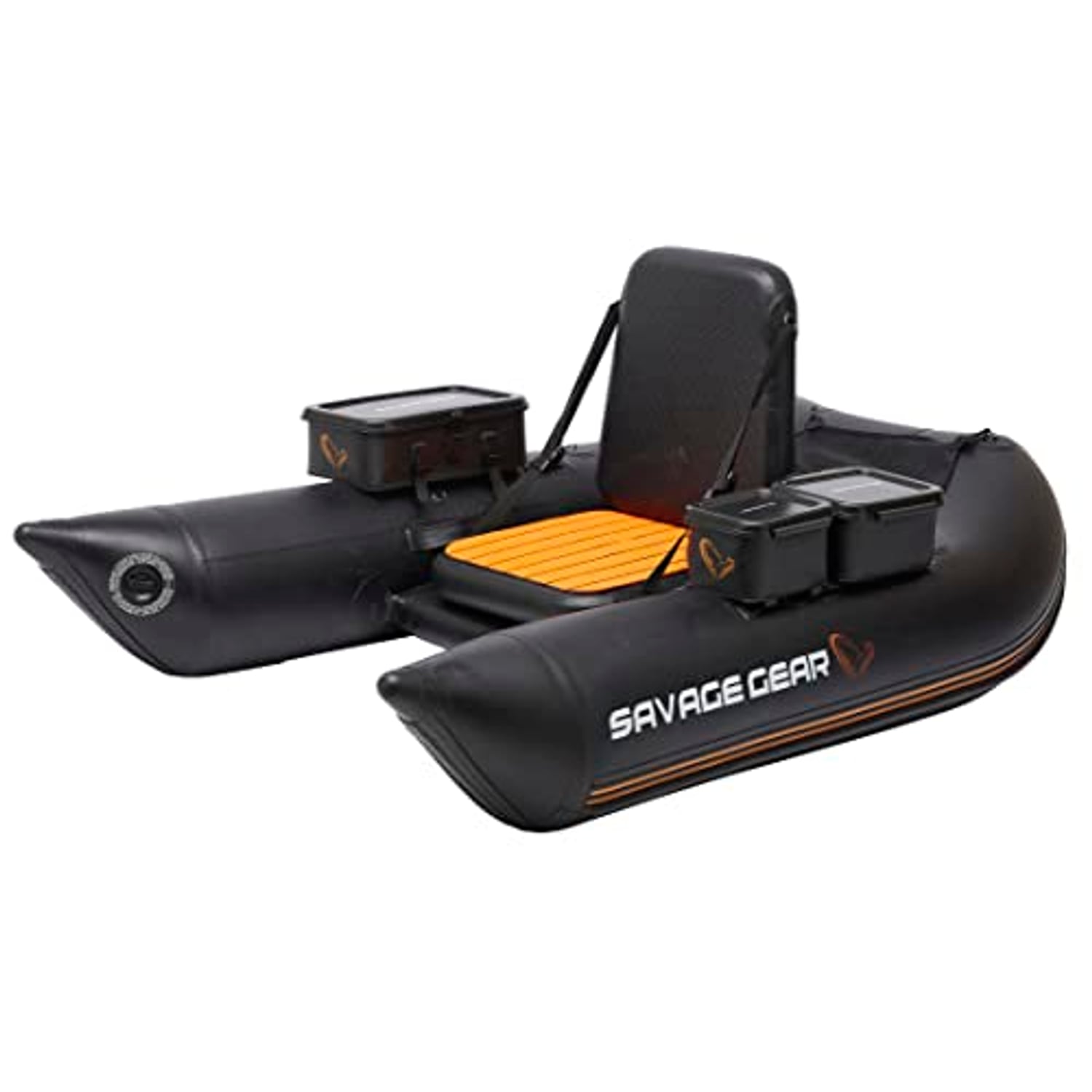
At 180cm, this hull gives more platform to move around on, more stability once you add a motor and battery, and generally a drier ride in choppier conditions than a compact tube. That comes from sheer hull volume and length.
What it costs you
A larger belly boat is heavier and bulkier to transport, needs more storage space at home, and can be harder to manoeuvre into a car boot than a compact float tube. If you walk to your fishing rather than driving right up to the water, that matters more than the spec sheet suggests.
Matching size to how you actually fish
If you fish from a fixed swim near parking, size is less of an issue. If you regularly relocate during a session, fish larger or more exposed venues, or plan to run a motor, the extra platform and stability of a boat this size starts to pay for itself.
Sizing for a motor specifically
Larger hulls generally handle motor weight and thrust more comfortably than compact tubes, simply because there is more hull to distribute the load across. If a motor is part of your plan, that is a strong argument for sizing up rather than adding a motor to a smaller boat.